Pinoy Pre-Game Intel: Decoding Weather Conditions & Pitch Factors for Smarter Bets This Week
For discerning sports enthusiasts and bettors aged 21 and above across the Philippines, understanding the game goes beyond team rosters and recent form. In a tropical climate like ours, the elements themselves can be a formidable, often overlooked, competitor. This week, we delve into how local weather conditions and pitch factors uniquely influence match outcomes, offering a sharper lens for pre-game analysis.
Beyond the Scoreboard: The Unseen Influence of Philippine Weather
The Philippines’ distinct climate presents a unique set of challenges and variables for local sports. From sudden downpours to relentless humidity and unpredictable winds, these environmental factors can dramatically shift momentum, player performance, and ultimately, the final score. While generic “rain delay” coverage might touch on these, a deeper dive reveals nuances crucial for informed engagement.
Unpacking Local Weather Dynamics and Their Impact
The Pitch: Ground Conditions and Ball Dynamics
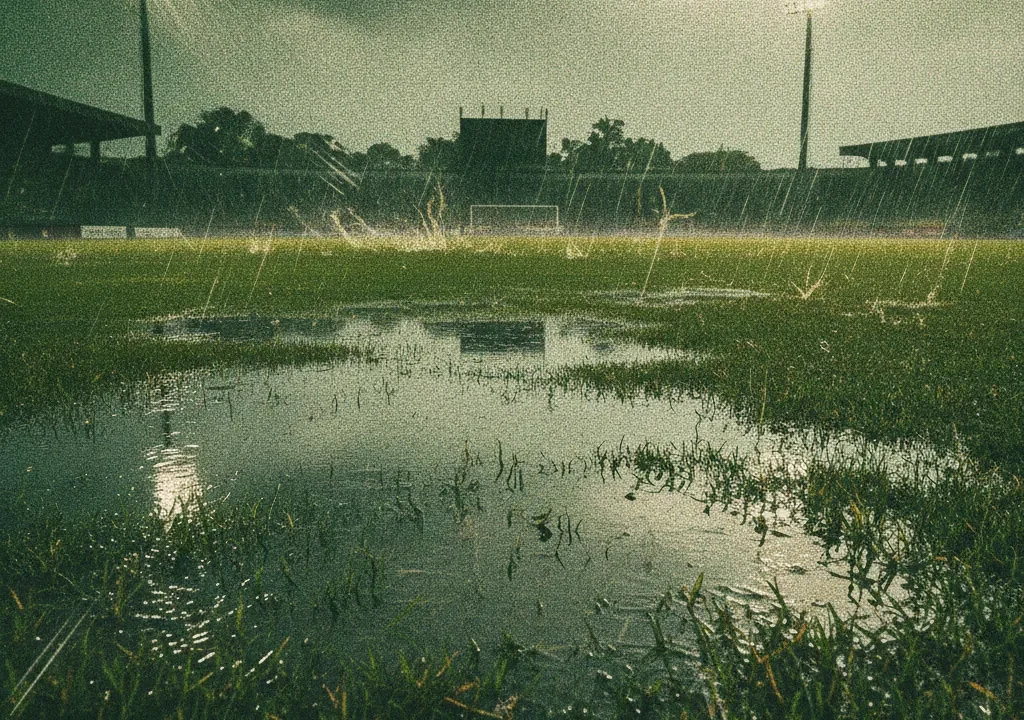
- Moisture and Bounce: In venues like the historic Rizal Memorial Stadium, weather-induced pitch moisture is a significant factor. Heavy rain can saturate natural grass fields, leading to a heavier, slower ball bounce. For football matches, this historically alters the trajectory and speed of low-spin deliveries, making through-balls less effective and ground passes more prone to holding up. Similarly, in outdoor UAAP basketball games (where applicable), a damp court can affect ball grip and player traction, impacting dribbling and quick cuts.
- Synthetic vs. Natural Grass Drainage: Philippine stadiums feature a mix of playing surfaces. Synthetic pitches, while designed for rapid drainage, can become slicker and hotter under direct sun, potentially increasing player fatigue and altering ball roll. Natural grass fields, conversely, absorb more moisture, which can lead to waterlogging and a softer, more unpredictable surface during prolonged rain, demanding different tactical approaches from teams.
The Air: Wind, Humidity, and Player Performance
- Manila Bay Winds: Venues situated near Manila Bay, such as the Mall of Asia Arena, are susceptible to specific wind patterns. These drafts and crosswinds can significantly affect long-range shots in PBA games, particularly three-pointers, and influence the accuracy of long passes in football. Teams accustomed to playing in these conditions often develop strategies to mitigate or even exploit these atmospheric currents.
- Humidity and Fatigue: The correlation between pre-game humidity and player fatigue in late-afternoon matches is often underestimated. High humidity, a constant in the Philippine climate, makes it harder for the body to cool itself through sweat evaporation. This can accelerate player exhaustion, particularly in high-intensity sports, leading to a noticeable drop in performance during the latter stages of a game, impacting decision-making and physical output.
Leveraging PAGASA Data for Informed Decisions
The Philippine Atmospheric, Geophysical and Astronomical Services Administration (PAGASA) is an invaluable resource. Their 24-hour rainfall forecasts provide critical insights:
- Interpreting Forecasts: Pay attention to the likelihood of rain (e.g., “scattered showers,” “widespread rain”), the expected intensity, and the duration. A forecast of “light rains” might only dampen the pitch, while “moderate to heavy rains” could lead to significant waterlogging or even match suspensions.
- Combining Data with Schedules: Cross-reference PAGASA’s hourly or daily forecasts with specific match times and venues. A heavy downpour predicted for noon might clear up before an evening game, but the residual pitch moisture would still be a factor.
The Home Advantage: Local Teams and Weather Acclimatization
Historical win rates often show a subtle but consistent edge for teams with extensive home-weather experience. Local teams, having trained and competed repeatedly in specific wind conditions, humidity levels, and pitch types, tend to be better acclimatized. Visiting teams, especially those from cooler climates or with less exposure to tropical conditions, may struggle to adapt, particularly in physically demanding sports. This familiarity can translate into tactical advantages and improved endurance.
The Future of Pre-Game Analysis: Tech and Trends
The landscape of sports analysis is evolving rapidly. We’re seeing:
- IoT Pitch Sensors: A 2025 pilot program in select PH football venues promises increased use of IoT pitch sensors. These technologies will provide real-time data on soil moisture, temperature, and even grass health, offering unprecedented precision for pre-game assessments.
- Rise of Live Betting and Mobile Apps: PAGCOR data from Q1 2026 indicates a significant rise in live-betting volume during weather-disrupted matches. This trend underscores the importance of real-time information. Many bettors are shifting to mobile-first in-play apps, where dynamic weather updates are becoming a key user interface feature. Trusted, PAGCOR-licensed platforms like Wing (wing.ph) are at the forefront of integrating such features, empowering users with accessible, up-to-date information to inform their engagement.
Responsible Engagement: Weather Data as a Tool, Not a Guarantee
For those aged 21 and above who choose to engage with iGaming, weather data serves as a powerful analytical tool, enhancing your understanding of potential match dynamics. However, it is crucial to remember that weather forecasts, while increasingly accurate, are not guarantees of outcomes. Sports are inherently unpredictable, and numerous variables contribute to a game’s result.
We encourage all individuals to practice responsible gambling. Engage thoughtfully, set limits, and view weather analysis as one component of a broader, informed approach. Always verify specific terms, conditions, and any relevant information directly on the official websites of PAGCOR-licensed operators.